If the last few years taught HR leaders anything, it’s that the workplace can shift fast and often without much warning. Remote work went from niche to normal almost overnight, AI showed up in hiring and daily work faster than most companies could write policy for, and the way people think about careers and work-life balance has changed for good.
So what’s coming next? Here’s what HR leaders, directors, and business owners should be watching over the next five years.
AI Is Becoming a Coworker, Not Just a Tool
AI has already made its way into recruitment, but that’s just the start. Over the next few years, expect it to show up more directly in everyday work helping with writing, analysis, customer service, and decision-making. The real challenge for HR is helping people work alongside AI instead of feeling threatened by it.
- Start experimenting with AI tools in low-risk, everyday tasks
- Offer training so employees see AI as support, not a replacement
- Build clear policies before AI use becomes widespread and unmanaged
- Keep communication open about how roles may evolve
Skills Will Matter More Than Job Titles
The old model of hiring based on degrees and fixed job titles is already losing ground. Companies are increasingly organizing work around what people can actually do, which means more fluid movement between projects and roles based on real ability.
- Rewrite job descriptions around required skills, not credentials
- Use skills assessments alongside resumes in the hiring process
- Build internal mobility paths based on demonstrated ability
- Track talent by competency, not just job title or tenure
Flexibility Isn’t a Perk Anymore ; It’s Expected
Remote and hybrid work aren’t going away, no matter the “return to office” headlines. What’s changing is how flexibility is handled less blanket policy, more tailored arrangements based on role, team, or individual needs.
- Offer flexible options tailored to different roles, not one policy for all
- Set clear expectations around availability and collaboration
- Revisit flexibility policies regularly as needs change
- Use flexibility as a genuine retention and hiring advantage
The Workforce Itself Is Getting More Complicated

Full-time employees, contractors, freelancers, and outsourced teams the modern workforce is a blend, and that mix keeps growing. Businesses use this flexibility to control costs and access specialized skills without permanent headcount for every need.
- Build systems that can manage multiple worker types smoothly
- Stay on top of compliance requirements across worker categories
- Create onboarding paths suited to contractors, not just employees
- Use blended staffing to scale up or down as demand shifts
Global Hiring Will Keep Growing
Remote work didn’t just change where people work it changed where companies hire from. More businesses are building genuinely global teams, tapping into talent pools they wouldn’t have considered a few years ago.
- Understand labor laws and compliance requirements by country
- Plan for time zone and cultural differences in team collaboration
- Build compensation strategies that work across regions
- Consider global talent or EOR partners to simplify expansion
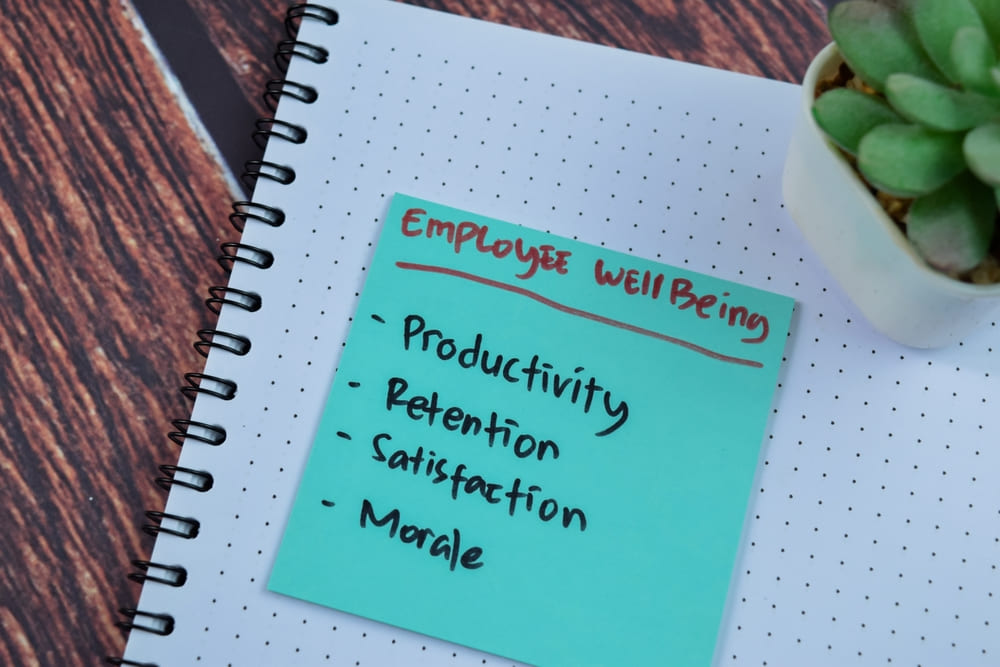
Employee Wellbeing Is Becoming Non-Negotiable
Burnout and mental health have moved from “nice to talk about” to something businesses are genuinely expected to address not through a one-off wellness perk, but through how work itself is designed.
- Build realistic workloads into job design, not just policy
- Train managers to recognize and respond to burnout early
- Offer real, accessible mental health support, not just token benefits
- Measure wellbeing alongside performance, not separately from it
Employee wellbeing is increasingly becoming part of how organizations build sustainable, productive workplaces. When businesses design work with employee health, manageable workloads, supportive leadership, and accessible resources in mind, they can create an environment where people are better positioned to perform, grow, and stay engaged over the long term.
Data Will Drive More HR Decisions
HR has historically run on instinct and experience and that’s not disappearing, but more companies are now using workforce data to guide hiring, predict turnover, and measure whether people strategies are actually working.
- Start tracking basic hiring and retention metrics consistently
- Use data to spot turnover risk before it becomes a bigger issue
- Let data support (not replace) human judgment in HR decisions
- Use insights to make a stronger case for HR strategy at leadership level
Employer Brand Will Matter More Than Ever
With so much information available before candidates even apply, how a company is perceived matters enormously. Reviews, social media, and word of mouth all shape whether top talent considers applying in the first place.
- Keep your careers page and messaging authentic, not just polished
- Encourage genuine employee stories and testimonials
- Monitor and respond to reviews on sites like Glassdoor
- Align internal culture with what you promote externally
Final Thoughts
The next five years will bring real change to how companies hire, manage, and support their people. None of it has to be overwhelming if HR leaders start preparing now instead of reacting later. Whether that means testing new hiring approaches, building a more flexible workforce strategy, or navigating global hiring, businesses that adapt early will be the ones best positioned for what’s ahead.
If you’re figuring out where to start, a workforce partner like Vailexa can help you build a hiring and talent strategy that’s ready for what’s next.
Frequently Asked Questions (FAQs)
AI is already helping with things like resume screening and interview scheduling, and it’s increasingly showing up in day-to-day work too. HR’s job is shifting toward helping employees work alongside it effectively, not just adopting the tools.
It means focusing on what candidates can actually do rather than their job titles or degrees, which usually means rethinking job descriptions, assessments, and how you track talent internally.
Fully remote and hybrid arrangements aren’t disappearing, though the way companies approach flexibility is getting more tailored rather than one-size-fits-all.
Remote work removed a lot of the old barriers to hiring internationally, so companies are increasingly tapping into talent pools outside their home country to access skills and reduce costs.
Start small experiment with new tools, adjust a few job descriptions to focus on skills, and begin tracking basic workforce data. Small, consistent steps add up faster than waiting for one big transformation.