The growing demand for artificial intelligence (AI), cloud computing, digital services, and high-performance computing is transforming the global data center industry. As businesses invest in more advanced digital infrastructure, data centers are becoming essential to supporting modern technology and enterprise operations.
The United States is expected to remain a major market for data center development, with continued investments in AI infrastructure, hyperscale facilities, cloud platforms, and digital connectivity. As these facilities expand, the need for skilled professionals who can design, build, secure, operate, and maintain them is becoming increasingly important.
Looking ahead to 2027, this expansion could create significant workforce opportunities across IT networking, cloud computing, AI infrastructure, cybersecurity, electrical engineering, and data center operations.
For businesses, preparing for this growth means identifying specialized talent and developing scalable workforce strategies. For professionals, it presents opportunities to explore emerging technology careers and build skills that align with the evolving digital infrastructure landscape.
1. What Is Driving the Global Data Center Expansion?
Several technology and business developments are contributing to the growing demand for data center infrastructure.
Artificial Intelligence Is Accelerating Infrastructure Investment
AI applications require substantial computing power, advanced processing capabilities, and specialized infrastructure. From generative AI platforms to machine learning systems, organizations need powerful environments capable of handling increasingly complex workloads.
This is driving investments in AI-ready data centers equipped with high-performance servers, GPU infrastructure, advanced networking, and specialized cooling systems.
As these facilities become more sophisticated, demand for AI infrastructure engineers, GPU specialists, systems engineers, and data center technicians is expected to grow.
Cloud Computing Continues to Expand
Organizations increasingly rely on cloud platforms to manage applications, store information, and support business operations.
Cloud adoption requires reliable data center infrastructure, network connectivity, virtualization, and ongoing technical support.
This creates workforce requirements across cloud engineering, infrastructure management, systems administration, network architecture, and DevOps.
Growing Digital Infrastructure Requirements
Businesses across healthcare, financial services, technology, manufacturing, and other industries are becoming more dependent on digital platforms.
As data volumes increase and organizations modernize their IT environments, reliable computing infrastructure becomes essential.
Data centers provide the foundation for these services, increasing the need for professionals who can support their continuous operation, security, and performance.
2. Why the United States Will Be a Key Data Center Workforce Market in 2027
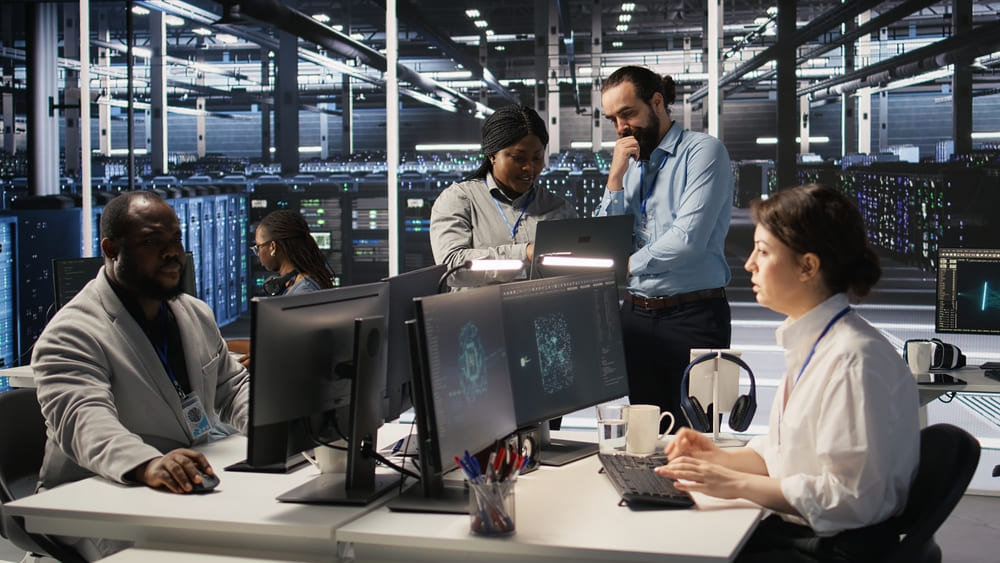
The United States is an important market for data center investment because of its established technology ecosystem, cloud infrastructure, enterprise demand, and expanding AI capabilities.
Major technology companies, cloud service providers, and data center operators continue to invest in digital infrastructure to support growing computing requirements.
Markets such as Northern Virginia, Texas, Arizona, Georgia, and Ohio are important locations in the U.S. data center landscape, although investment and development activity vary by region.
As new facilities are developed and existing infrastructure expands, workforce requirements will extend beyond traditional IT positions.
Organizations will need professionals across several disciplines, including:
- IT infrastructure and network engineering
- Cloud computing and systems administration
- AI infrastructure and high-performance computing
- Data center operations and facility management
- Cybersecurity and infrastructure protection
- Electrical, mechanical, and HVAC engineering
This creates a broader workforce ecosystem in which technology professionals and skilled technical tradespeople contribute to the development and operation of critical digital infrastructure.
3. The Technology Professionals Powering the Data Center Industry
Data centers depend on a combination of specialized technical teams. Each group supports a different part of the infrastructure, from computing and connectivity to security and facility operations.
IT Infrastructure and Networking Professionals
Network engineers, systems engineers, network architects, and infrastructure specialists help maintain the connectivity and performance of data center environments.
Their responsibilities include managing network equipment, configuring infrastructure, monitoring connectivity, troubleshooting technical issues, and supporting reliable communication between systems.
As data center environments become larger and more complex, professionals with networking and infrastructure expertise will remain important to their operation.
Cloud Computing Professionals
Cloud engineers, cloud architects, DevOps engineers, and systems administrators support the platforms and environments that enable businesses to access computing resources.
These professionals work with cloud infrastructure, virtualization, automation, storage systems, and deployment environments.
Their expertise helps organizations maintain scalable, reliable, and efficient digital operations.
AI Infrastructure and High-Performance Computing Specialists
The expansion of AI workloads is creating more specialized infrastructure requirements.
GPU infrastructure engineers, high-performance computing specialists, systems engineers, and AI infrastructure professionals help manage the computing environments required for advanced workloads.
Their work may involve GPU systems, server architecture, infrastructure optimization, performance monitoring, and large-scale computing environments.
Data Center Operations and Critical Facilities Professionals
A data center requires continuous monitoring, maintenance, and operational support.
Data center technicians, critical facilities engineers, operations managers, and maintenance specialists help ensure that facilities remain reliable and functional.
Their responsibilities can include server maintenance, equipment monitoring, power management, cooling systems, troubleshooting, and operational support.
Cybersecurity Professionals
As data centers manage sensitive information and support critical business services, protecting their infrastructure is essential.
Cybersecurity engineers, SOC analysts, cloud security specialists, and network security professionals help identify vulnerabilities, monitor threats, protect systems, and support security operations.
Together, these professionals help maintain the confidentiality, availability, and integrity of digital infrastructure.
4. What the Data Center Expansion Means for Employer
For organizations planning to develop or expand data center infrastructure, workforce readiness will become an important business consideration.
Finding qualified professionals with specialized technical experience can be challenging, particularly when multiple projects compete for similar talent.
Employers may encounter several workforce challenges:
Competition for Specialized Skills: Organizations need professionals with experience in networking, cloud platforms, AI infrastructure, cybersecurity, and critical facilities.
Complex Hiring Requirements: Data center positions often require specific technical knowledge, certifications, hands-on experience, and familiarity with enterprise infrastructure.
Project-Based Workforce Needs: Construction, installation, commissioning, and infrastructure deployment can create changing workforce requirements throughout different project stages.
Continuous Operational Support: Once facilities become operational, organizations need dependable technical teams to manage maintenance, monitoring, security, and infrastructure performance.
Addressing these challenges requires more than filling vacancies. Businesses need workforce strategies that align talent acquisition with infrastructure development, operational priorities, and long-term business objectives.
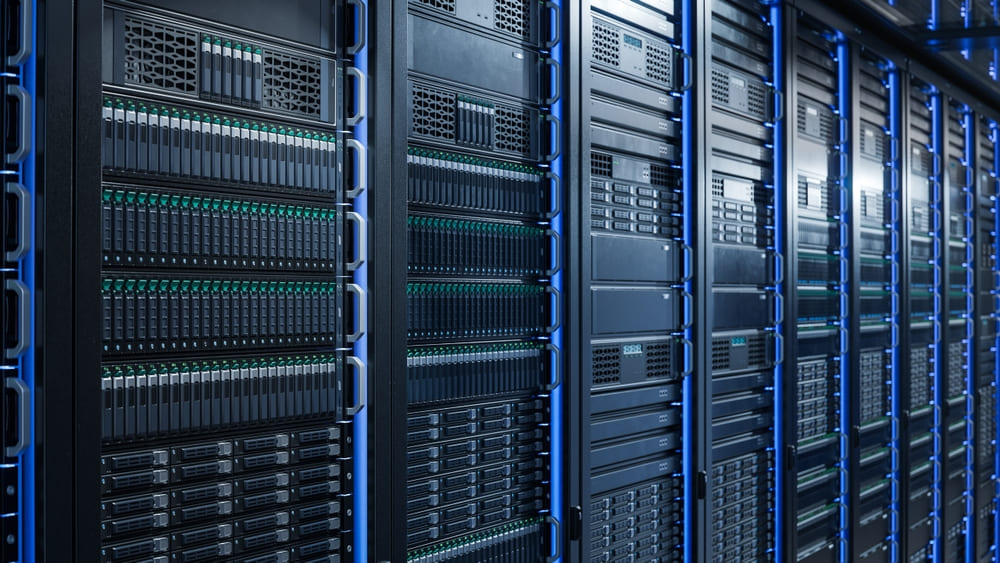
5. Career Opportunities for Professionals in 2027
The expanding data center ecosystem also creates opportunities for professionals looking to enter or advance within the technology and infrastructure industry.
Candidates with backgrounds in IT support, networking, cloud computing, cybersecurity, electrical engineering, mechanical engineering, and technical maintenance may find relevant career pathways.
Some roles worth exploring include:
- Data Center Technician
- Network Engineer
- Cloud Infrastructure Engineer
- AI Infrastructure Engineer
- Systems Administrator
- Data Center Operations Manager
- Critical Facilities Engineer
- Cybersecurity Analyst
- Electrical Engineer
- HVAC Technician
Professionals interested in these careers should focus on developing practical technical knowledge, gaining relevant hands-on experience, and understanding the infrastructure environments in which these roles operate.
Networking fundamentals, cloud platforms, virtualization, Linux, server administration, power systems, cooling technologies, and cybersecurity principles can all be valuable depending on the chosen career path.
Relevant industry certifications and technical training can also help candidates demonstrate their knowledge and strengthen their professional profiles.
For job seekers, the opportunity is not limited to traditional IT careers. Data center expansion brings together technology, engineering, operations, and skilled trades, creating multiple pathways into the industry.
6. Preparing for the Future With Specialized Data Center Workforce Solutions
As the data center industry evolves, organizations will need access to professionals who understand the technical requirements of modern digital infrastructure.
Finding the right talent across IT networking, cloud computing, AI infrastructure, cybersecurity, and data center operations requires a focused recruitment approach.
This is where specialized workforce solutions become valuable.
At Vailexa, we understand that successful infrastructure development depends on having the right people in the right roles. Our Specialized Data Center Workforce Solutions focus on helping organizations connect with talent across critical technology and infrastructure disciplines.
We support workforce requirements across:
- IT Infrastructure and Networking: Network engineers, systems engineers, and infrastructure specialists.
- Cloud Computing: Cloud engineers, cloud architects, and DevOps professionals.
- AI Infrastructure: AI infrastructure engineers, GPU specialists, and high-performance computing professionals.
- Data Center Operations: Data center technicians, critical facilities engineers, and operations specialists.
- Cybersecurity: Security engineers, SOC analysts, and cloud security professionals.
By understanding specialized hiring requirements and evolving technology demands, Vailexa aims to help organizations build capable teams that support infrastructure growth and operational continuity.
Conclusion
The expected data center expansion in 2027 represents an important development for the global technology and workforce landscape. AI adoption, cloud computing, digital transformation, and increasing computing requirements are driving continued investment in advanced infrastructure.
As this industry evolves, the demand for specialized professionals will extend across networking, cloud computing, AI infrastructure, cybersecurity, engineering, and data center operations.
For businesses, preparing for this expansion means making workforce planning a strategic priority. For candidates, it means exploring new career pathways and developing skills aligned with the future of digital infrastructure.
The future of data centers depends on more than advanced technology. It depends on the people who build, manage, secure, and operate it.
Vailexa is committed to supporting this evolving industry through Specialized Data Center Workforce Solutions, connecting organizations with the talent needed to support tomorrow’s digital infrastructure.
Frequently Asked Questions (FAQs)
Growing AI adoption, cloud computing, enterprise digital transformation, and increasing demand for computing power are driving investment in data center infrastructure. These developments are expected to support continued industry expansion and create additional workforce requirements.
Potentially important roles include data center technicians, network engineers, cloud infrastructure engineers, AI infrastructure specialists, cybersecurity professionals, critical facilities engineers, electrical engineers, and data center operations managers.
Required skills depend on the position. Networking, cloud computing, server administration, virtualization, Linux, cybersecurity, electrical systems, cooling technologies, and infrastructure troubleshooting are among the relevant technical skill areas.
Yes. Data centers require professionals from multiple disciplines, including electrical engineering, mechanical engineering, HVAC, facilities management, and technical maintenance. Relevant experience, practical skills, and role-specific training can help professionals explore these opportunities.
Businesses can strengthen their hiring strategies by identifying specific technical requirements, planning workforce needs early, targeting specialized talent pools, and partnering with recruitment providers that understand data center infrastructure and technology roles. Specialized workforce solutions can help organizations address both project-based and ongoing operational hiring requirements.